

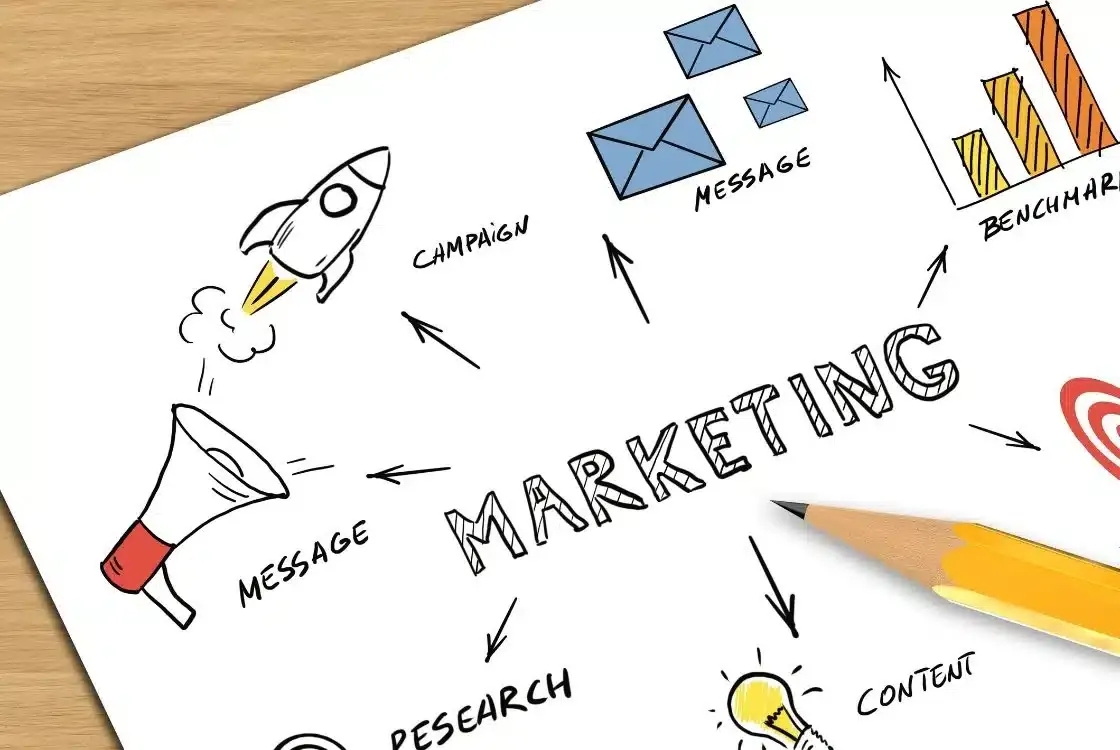
Do you have a good product but few buyers? The problem may lie less in the product than in how you communicate with potential customers. This is where content marketing for small businesses comes in. Instead of pushing hard sales every day, it focuses on building trust through genuinely useful content, so customers come to you of their own accord. Better still, it does not need a big budget, only consistency and the right direction.
The data shows huge potential. Indonesia has around 65.5 million micro, small and medium businesses (UMKM), which contribute 61% of national GDP (Ministry of SMEs, 2024). Unfortunately, most still rely on word of mouth. Yet more than 70% of urban consumers in Indonesia research online before deciding to buy (Sigma Research, 2025). If your business does not show up with convincing content, customers will find your competitors first. As competition gets tougher, the ability to communicate through content is what separates businesses that stagnate from businesses that keep growing.
What is content marketing for small businesses, and why does it matter?
Put simply, content marketing for small businesses means promoting your business through valuable content such as articles, videos, infographics or social media posts, without coming across as pushy. The aim is to educate, entertain and meet your audience's needs rather than to sell straight away. When people feel helped, trust grows, and sales follow naturally.
Why does it work? Content marketing generates three times as many leads at 62% lower cost than traditional marketing (Demand Metric). That is good news if your budget is limited. An article you write today can also keep bringing in traffic for years, as long as people are still searching for the topic. Content is a long-term investment, whereas ads stop working the moment the budget runs out.
Content builds trust before it sells
Today's consumers are savvy. They read reviews, compare brands and look for information before they pay. With consistent content, your business comes across as an expert in its field, and that trust is what ultimately sets you apart from competitors.
7 proven content marketing strategies for small businesses
Here are practical steps for building content marketing you can put into practice straight away, even if you are starting from scratch.
1. Know your audience and their problems
Every good content strategy starts with understanding who your customers are. Note down the questions they ask most often, their complaints and the everyday language they use. From there, you can create content that is genuinely relevant and feels personal.
2. Start a blog on your own business website
Social media matters, but you do not have full control over it. A blog on your own business website is a digital asset you truly own. Write articles that answer customers' questions, then optimise them to appear on Google. This is the long-lasting foundation of content marketing for a small business.
3. Combine it with SEO so your content is found
However good your content is, it is wasted if no one finds it. That is why content marketing has to go hand in hand with search engine optimisation. Use the keywords your customers search for, write compelling titles and build a tidy article structure. If that feels complicated, a professional SEO service can help your content become easier to find on Google.
4. Use the power of short video
Short video is now the content format with the highest return. For small businesses, video does not have to be expensive: a smartphone is enough to show your production process, product tips or customer testimonials. Video also fits well with the growing trend for social commerce.
5. Stay consistent with a content calendar
The secret of successful small business content marketing is consistency rather than the occasional viral hit. Create a simple content calendar, for example two articles and three social media posts a week. A regular schedule gets your audience used to looking out for your content, and search engines see your website as active.
6. Tell the story behind your business
People buy from people, not from logos. Share your business journey, the challenges you have faced and the values you hold. Storytelling makes content marketing feel human and memorable, and it builds an emotional bond with your customers.
7. Measure, evaluate and improve
Finally, track how each piece of content performs. Notice which articles are read most and which posts spark interaction. With this data, you can do more of what works and fix what does not. Content marketing is an ongoing learning process rather than a one-off job.
Combining content marketing with paid advertising
Organic content does not need a big budget, but results take time. To speed things up, you can combine it with advertising. Your best content can become material for Google Ads campaigns that reach a wider audience quickly. Combining organic content with paid ads gives you a balanced strategy: one builds the long-term foundation, the other gives you a quick boost.
With this approach, content marketing stops being a side activity and becomes a measurable growth engine. Many small businesses that have moved up a level did so because they were willing to invest early in strong content and a strong website.
Common mistakes that hold growth back
Before going further, it is worth knowing the traps that often stop small businesses from getting results. The first mistake is selling hard too often without offering value, so the audience quickly gets bored and stops following. The second is inconsistency: many business owners start with enthusiasm in the first month, then stop when they do not see instant results. Content needs time to build momentum.
Another common mistake is sacrificing quality for quantity. Ten rushed pieces of content are less effective than three that genuinely meet customers' needs. Finally, many forget to tie their content to a clear business goal, whether that is more WhatsApp messages, website visits or direct sales. Avoid these four mistakes and your efforts will be much better focused, with results you feel sooner.
Conclusion: start your content marketing now
Building content marketing for a small business takes patience, but it pays off. Start small: get to know your audience, start a blog and keep creating useful content. Over time, that content becomes an asset that keeps bringing in customers. Remember that the businesses people trust most are the ones that help most through their content. So do not put it off any longer: make content marketing the main growth strategy for your business in 2026.


