


Payment gateways in Indonesia play a crucial part in whether a shopper completes a purchase or simply leaves your online store. In 2026, Indonesian consumers expect more than ever: payment has to be instant, support their favourite methods (QRIS, bank transfer, e-wallets) and feel secure. The right payment gateway makes it easier for shoppers to finish paying, while the wrong choice can become the biggest obstacle to your sales.
Key points in this article
- The right payment gateway helps more shoppers complete checkout because it offers the payment methods they prefer
- Midtrans and Xendit are the most popular choices for Indonesian online stores, and both support almost every local payment method
- Payment gateway fees range from 0.7% to 3% per transaction, so work out the impact on your profit margin before you choose
- QRIS is worth offering as a payment option because it already has 50+ million users in Indonesia (2025)
- For small businesses (UMKM) just starting out, a payment gateway with free setup such as Midtrans Snap is the best choice
- The Complete Guide to Building an Online Store with WooCommerce in 2026
- WooCommerce vs Shopify: A Full Comparison for Indonesian Online Stores
- 10 Reasons Your Business Needs an Online Store Now
What is a payment gateway and how does it work?
A payment gateway is a service that securely processes digital payments between buyer and seller. When a customer presses “Pay”, the payment gateway goes to work behind the scenes: it verifies the card or account details, checks the limit, encrypts sensitive information and passes the request to the bank, all within seconds.
Indonesia's digital payment ecosystem is very diverse and quite different from other countries'. Indonesian consumers use a mix of bank transfers, QRIS, digital wallets (GoPay, OVO, Dana, ShopeePay), credit cards and even payment at convenience stores (Alfamart/Indomaret). A good payment gateway should support all of these through a single integration.

The best payment gateways in Indonesia compared (2026)
1. Midtrans: the most popular choice for WooCommerce
Midtrans (a Gojek subsidiary) is the most widely used payment gateway in Indonesia, especially for WooCommerce stores and business websites. Its main strength is ease of integration: official plugins are available for WooCommerce, Magento and OpenCart, and you can install them in 15 minutes.
Supported payment methods: Visa/Mastercard credit and debit cards, virtual account bank transfers (BCA, BNI, BRI, Mandiri, Permata), GoPay, ShopeePay, OVO, Dana, Akulaku, QRIS, Alfamart/Indomaret and BCA KlikPay.
Midtrans transaction fees in 2026:
- Credit/debit card: 2.9% + Rp 2,000 per transaction
- Virtual account: Rp 4,000 per transaction
- GoPay/ShopeePay: 2% per transaction
- QRIS: 0.7% per transaction
- Alfamart/Indomaret: Rp 5,000 per transaction
- No setup or monthly fees (pay per use)
Pros: easy integration, full documentation in Bahasa Indonesia, responsive technical support and a comprehensive analytics dashboard. Cons: credit card fees are higher than some competitors', and funds settle the next working day (D+1).
2. Xendit: best for fast-growing businesses
Xendit positions itself as “payment infrastructure”, which suits startups and businesses planning to expand into other South-East Asian markets (the Philippines, Vietnam, Malaysia). Xendit's API is known for being more flexible and developer-friendly than Midtrans's.
Payment methods: virtual accounts for all the major banks, credit/debit cards, digital wallets (OVO, Dana, LinkAja, ShopeePay), QRIS, retail outlets (Alfamart, Indomaret, Alfamidi) and real-time bank transfers.
Xendit transaction fees in 2026:
- Credit/debit card: 2.9% + Rp 2,000
- Virtual account: Rp 4,000–5,500 per transaction (depending on the bank)
- OVO: 2% per transaction
- QRIS: 0.7% per transaction
- No minimum monthly fee
Pros: a modern, well-documented API, multi-currency support, well suited to high transaction volumes, and T+1 settlement. Cons: the WooCommerce plugin is less polished than Midtrans's, and it suits developers better than non-technical owners setting it up themselves.
3. DOKU: the longest track record in Indonesia
DOKU is one of Indonesia's first payment gateways, founded in 2007. Its long track record and the trust it has built are its main selling points, especially for businesses that prioritise stability and compliance with OJK (Financial Services Authority) regulations.
DOKU transaction fees: credit cards 2.5–3.5%, virtual accounts Rp 4,000–5,000, e-wallets 1.5–2.5%. Volume pricing packages are available for businesses with high transaction numbers.
Pros: a long and trusted reputation, strong enterprise support, and credit card packages with more competitive rates for high volumes. Cons: a more dated dashboard interface and a longer onboarding process than Midtrans or Xendit.
4. Flip for Business: best for low-cost bank transfers
Flip was first known as an app for free transfers between banks, and it now offers a payment gateway for businesses. Flip's particular strength is very low bank transfer fees: just Rp 1,500–3,500 per bank transfer, well below its competitors.
It suits businesses that receive a high volume of payments by bank transfer and run on thin margins that are sensitive to transaction costs. A WooCommerce plugin and an API for custom integration are available.
5. iPaymu: an affordable local option
iPaymu is a local Indonesian payment gateway focused on ease of use for small businesses. Setup is free, transaction fees start at 1% for some payment methods, and registration is quick, with no complicated document requirements.
A WooCommerce plugin and an API for integrating other platforms are available. It suits small businesses that are just starting to accept digital payments.
How to choose the right payment gateway
No single payment gateway is best for every type of business. Use these criteria to find the one that fits you:
1. Match your customers' payment methods
Look at how your customers usually pay. If most of them use GoPay and OVO, make sure the payment gateway supports both. If your target market is professionals who tend to pay by credit card, look for competitive credit card fees.
2. Calculate the total cost, not only the fee per transaction
Watch out for hidden costs: setup fees, minimum monthly fees, chargeback fees, fees for settlement to your bank account and fees for particular payment methods. Project your costs based on the volumes and payment methods you expect.
3. Consider how easy it is to integrate
If you use WooCommerce, make sure there is an official, well-maintained plugin. If you are building a custom platform, assess the quality of the API and its documentation. A poorly integrated payment gateway can cause checkout errors that immediately hurt conversions.
4. Check regulatory compliance
Make sure the payment gateway you choose is officially licensed by Bank Indonesia (BI) and the Financial Services Authority (OJK). Before you sign up, look the company up in the list of licensed payment service providers on Bank Indonesia's website.
Recommended payment gateways by type of business
- Just starting a WooCommerce store: Midtrans, for easy setup, an official plugin and complete documentation
- Startups and scale-ups with a development team: Xendit, for a modern API, multi-currency support and readiness for regional expansion
- Enterprises and large businesses: DOKU, for stability, volume pricing and enterprise support
- Small businesses: iPaymu or Midtrans, for easy registration and affordable fees
- High-volume bank transfers: Flip for Business, for the lowest transfer fees
Checkout optimisation tips to increase conversions
Choosing the right payment gateway is only the first step. Optimising your checkout process matters just as much if you want the most conversions:
- Show all payment methods on product pages: do not hide the payment options until checkout. Display the GoPay, OVO and QRIS logos on product pages so shoppers know what to expect
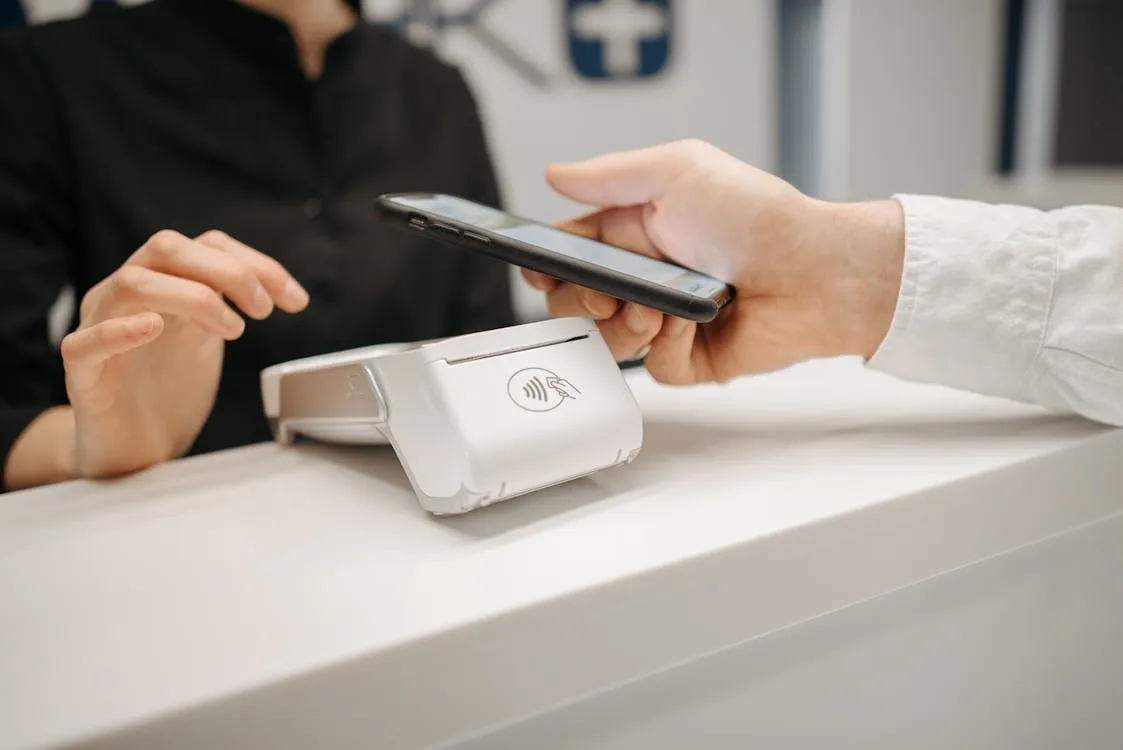
- Turn on QRIS: QRIS is Indonesia's universal payment standard and can be paid from any e-wallet. The fee is only 0.7%, the most affordable option, and the number of users keeps growing
- Cut the number of checkout steps: every extra step gives shoppers another reason to give up halfway. Enable one-click checkout for returning customers
- Show an SSL badge and payment logos at checkout: visible security signals increase shopper trust and reduce cart abandonment
- Send automatic confirmations: modern payment gateways send payment confirmations automatically by email or WhatsApp. Turn this on to cut down on customer queries
Integrating a payment gateway into a WooCommerce store needs the right technical configuration, from the initial setup and webhook configuration to end-to-end testing. The Webzoo team can handle it as part of our website development service for your online store. For an idea of costs, see our pricing page or ask our team for a quote.
Build an online store that is ready to take payments with Webzoo
The Webzoo team integrates the payment gateway of your choice (Midtrans, Xendit, QRIS) into a secure, fast WooCommerce store that is ready to accept payments from day one.
Free online store consultation

